September 21, 2026
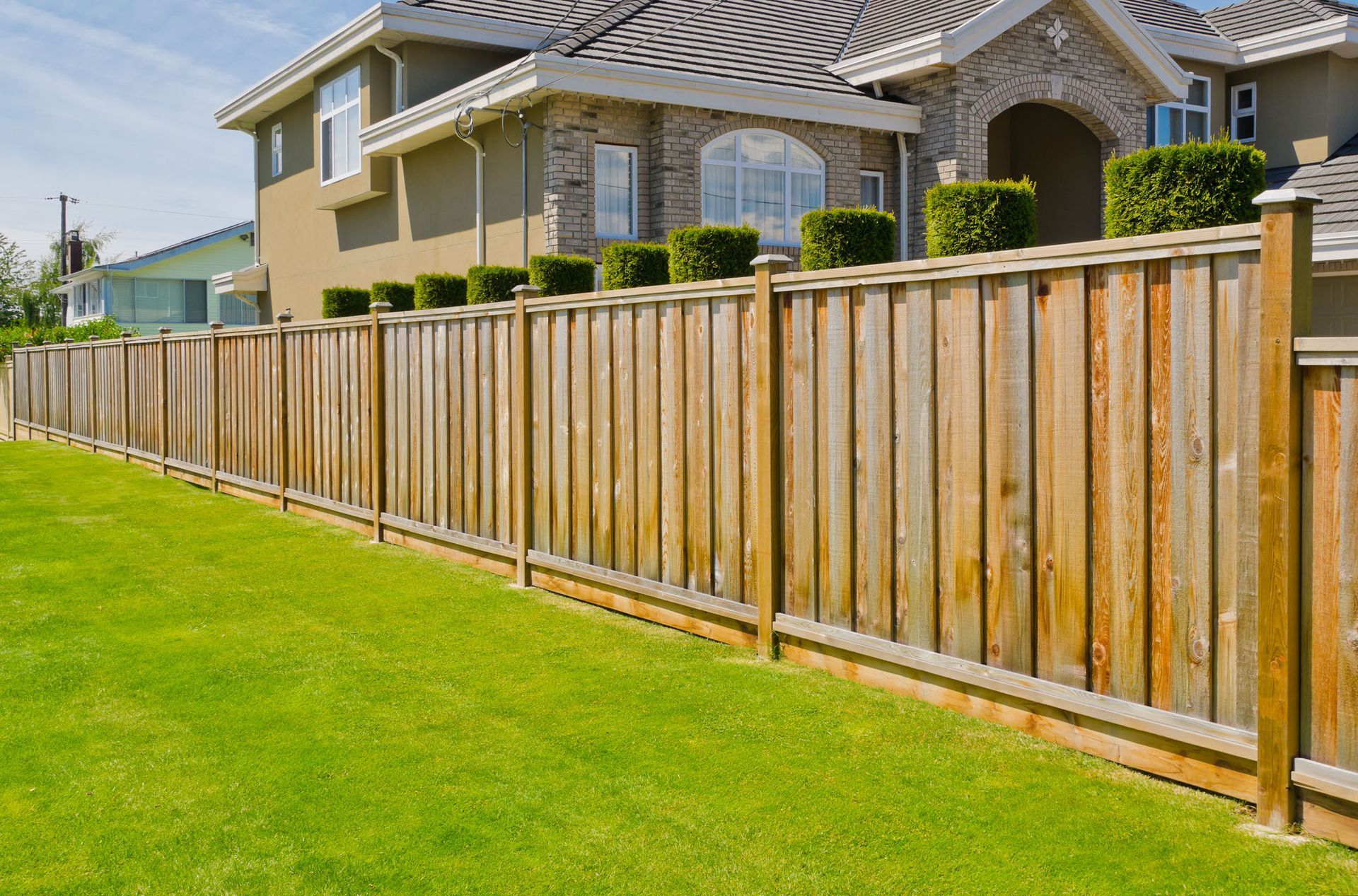
The construction of board-on-board designs involves overlapping vertical planks, which eliminates visibility gaps and offers superior privacy for residential yards. This overlapping technique not only enhances visual seclusion but also provides exceptional structural strength to withstand heavy winds effectively. Conversely, horizontal structures consist of wooden planks laid horizontally and supported by sturdy posts, delivering a sleek, modern aesthetic. Though not as structurally fortified against severe winds, horizontal construction is typically straightforward, reducing installation complexities on level terrain. Choosing a wood fence built with overlapping planks prioritizes privacy, whereas horizontal layouts emphasize contemporary architectural lines.
Balancing Visual Styles
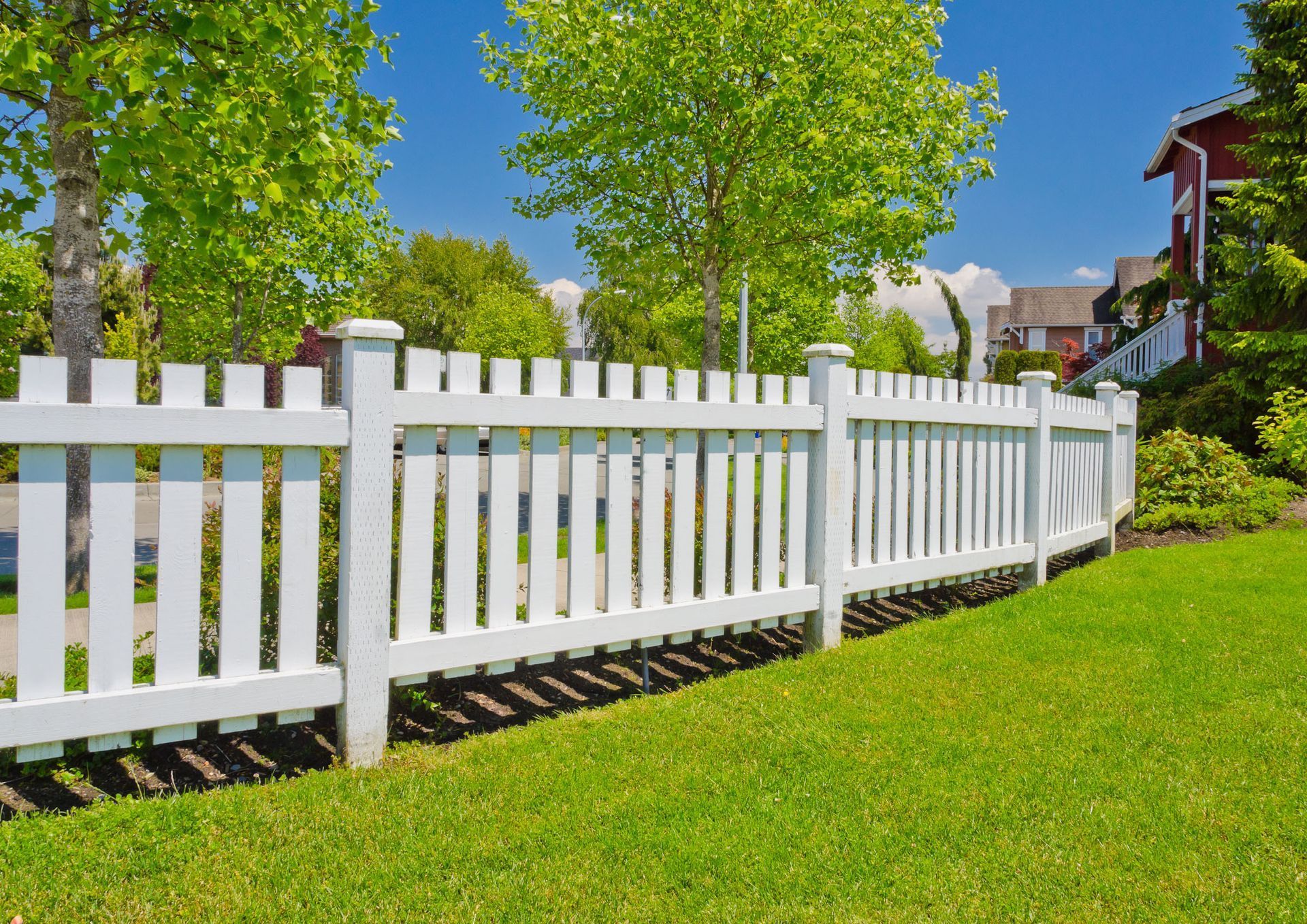
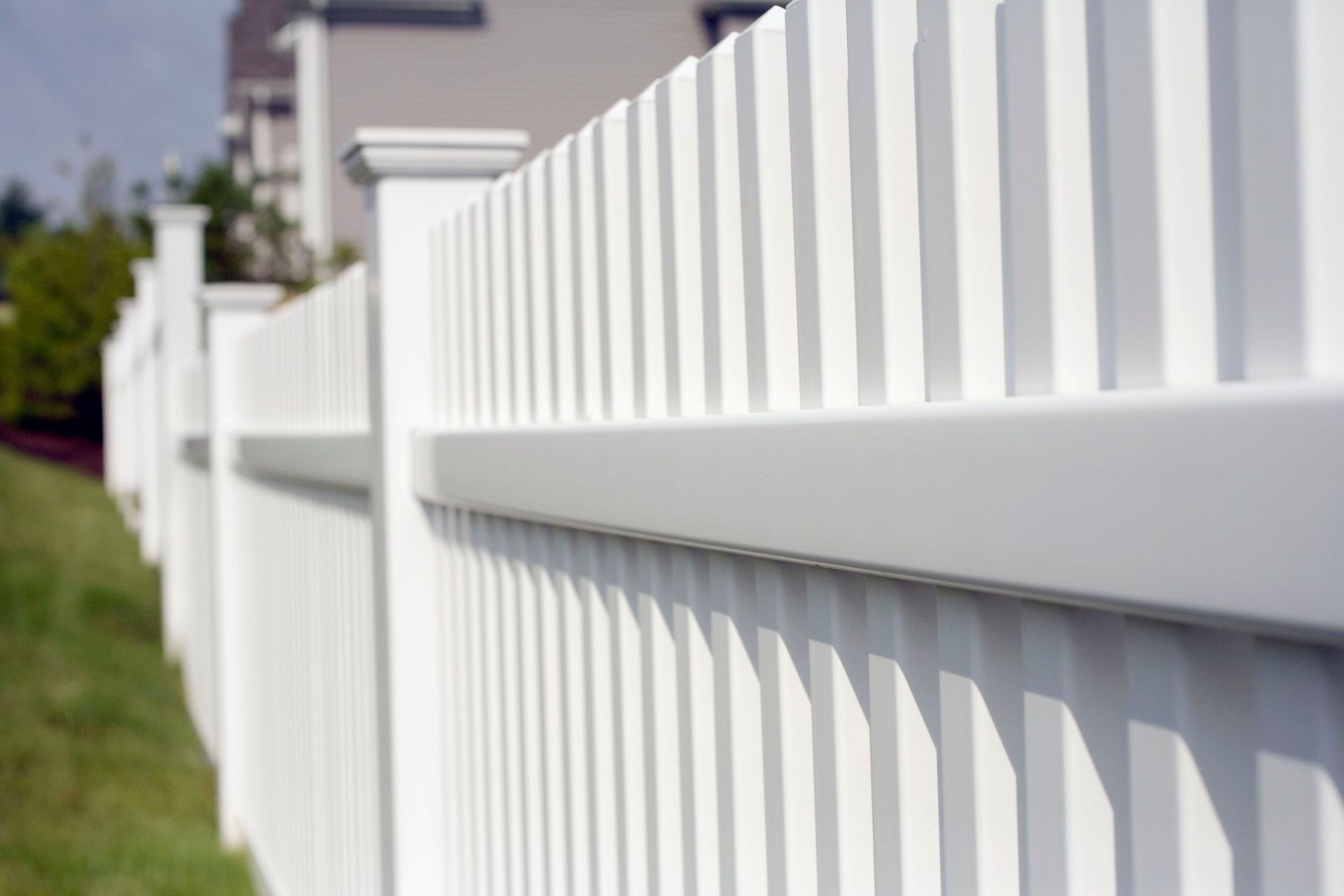
Board-on-board styles provide a traditional design that harmonizes effortlessly with various home architectures, making it a highly versatile choice for homeowners. This classic aesthetic helps maintain visual continuity across long property boundaries while framing lush landscaping cleanly. Horizontal designs, however, carry a distinct modern appeal that complements urban and contemporary residential developments. They offer opportunities to experiment with mixed plank widths and custom finishes, adding an artistic element to the perimeter. Selecting a wood fence with the right visual orientation ensures your property maintains strong curb appeal for years to come.
Selecting Sustainable Materials
Both structural styles utilize a variety of natural lumber options, including cedar, redwood, and pressure-treated pine, with each material offering distinct sustainability profiles. Cedar and redwood are popular choices due to their natural resistance to insects and rot, diminishing the need for heavy chemical treatments. A sustainable approach involves choosing lumber certified by the Forest Stewardship Council (FSC) to guarantee responsible forest management. Pressure-treated pine offers an economical alternative that provides long-term resistance against fungal decay. Evaluating the environmental impact of your wood fence helps balance long-term durability with eco-friendly building practices.
Eliminating Sight Line Gaps
Board-on-board installations are frequently specified for privacy applications because overlapping boards eliminate direct sight lines even as the lumber shrinks over time. This construction method creates a solid physical barrier that effectively blocks wind, reduces neighborhood noise, and keeps pets secure. The structure allows for custom height adjustments to meet local zoning codes while ensuring total backyard seclusion. Homeowners consistently prioritize this overlapping design when complete privacy is the primary goal for their outdoor living space.
Choosing Dense Lumber
The density of the lumber selected directly impacts the privacy and sound-dampening capabilities of your perimeter barrier. Dense species like oak or thick-milled cedar provide heavier barriers and superior soundproofing compared to lighter, thinner alternatives. Utilizing thicker planks enhances structural privacy, though it increases initial material costs. Cedar and redwood offer an ideal balance of natural insect repellents, dimensional stability, and moderate weight. Selecting high-grade materials for your wood fence ensures the barrier maintains its privacy benefits without premature warping.
Enhancing Curb Appeal
Board-on-board installations enhance curb appeal by providing a uniform, polished appearance from both sides of the property line. The clean symmetry of overlapping vertical boards is visually appealing to prospective buyers and fits seamlessly into established suburban neighborhoods. Realtors often report increased buyer interest in homes with fully enclosed, private backyards. Installing a high-quality wood fence creates a secure, attractive perimeter that consistently boosts market value.
Boosting Resale Value
Horizontal installations add a contemporary edge that appeals directly to buyers seeking modern architectural features. In urban neighborhoods dominated by modern home builds, horizontal lines align perfectly with current design trends, increasing property desirability. Buyers view horizontal perimeter structures as premium, custom upgrades that elevate the entire outdoor living area. Aligning your exterior upgrades with current architectural trends helps drive higher appraisal values during home sales.
Following Regional Preferences
Regional architectural styles significantly influence whether vertical or horizontal layouts yield a higher return on investment. According to Arcsite.com, domestic residential wood fencing remains a thriving industry in the U.S. valued at over $2.7 billion annually. Real estate statistics indicate that aligning your property updates with local neighborhood standards ensures better market acceptance and protects home values. Historical districts often favor traditional vertical board designs, whereas fast-growing urban markets lean toward sleek horizontal styles. Analyzing local market preferences helps homeowners select a wood fence that delivers the highest financial return.
Resisting Severe Weather
Board-on-board structures are renowned for their exceptional durability, largely due to overlapping boards that distribute wind loads across multiple support posts. This overlapping construction minimizes board twisting and protects against wind damage during severe storms. When properly sealed against moisture, these sturdy barriers handle harsh seasonal weather with minimal structural movement. Investing in heavy-duty structural posts ensures your wood fence remains plumb and secure for decades.
Establishing Maintenance Routines
Both structural styles require a consistent care schedule to preserve their structural integrity and surface appearance over time. Inspecting the structure annually for loose fasteners, soil contact issues, or fungal growth prevents localized rot from spreading. Applying a high-quality water-repellent stain every few years shields the wood fibers from severe UV degradation and moisture absorption. Establishing a routine care schedule preserves the natural beauty and structural strength of your exterior investments.
Maintaining Vertical Boards
Board-on-board structures require periodic inspection to tighten loose fasteners and address minor board warping caused by sun exposure. Applying protective exterior stains guards against UV bleaching and moisture intrusion, which is essential for maximizing service life. Periodic pressure washing removes dirt, mildew, and moss before applying fresh sealant layers. Routine maintenance prevents minor timber movement from compromising the overall strength of the structure.
Preserving Horizontal Alignment
Horizontal layouts require targeted inspections to check for board sagging and joint alignment along support posts. Treating horizontal top edges with water-repellent sealants prevents standing water from soaking deep into the wood grain. Addressing minor surface imperfections early prevents moisture from penetrating post connections and causing premature rot. Consistent care keeps horizontal boards straight, pristine, and structurally sound through every season.
Budgeting Upkeep Expenses
Maintaining exterior wooden structures involves long-term costs for sealants, cleaning supplies, and occasional hardware repairs. Budgeting for professional staining every three to five years protects your initial capital investment against severe weathering. While DIY maintenance saves money upfront, professional sealing ensures even coverage and longer-lasting timber protection. Factoring long-term upkeep into your initial buying decision ensures fewer financial surprises over the lifespan of the structure.
Calculating Initial Investments
The upfront cost of constructing a perimeter barrier depends heavily on lumber grade, total footage, and installation complexity. Board-on-board designs require roughly 30% more lumber due to overlapping boards, which increases initial material expenses. Horizontal designs may use fewer total boards but often require specialized posts or closer post spacing to prevent long-term sagging. Developing a comprehensive budget accounts for both immediate material purchases and professional installation labor.
Evaluating Long-term Value
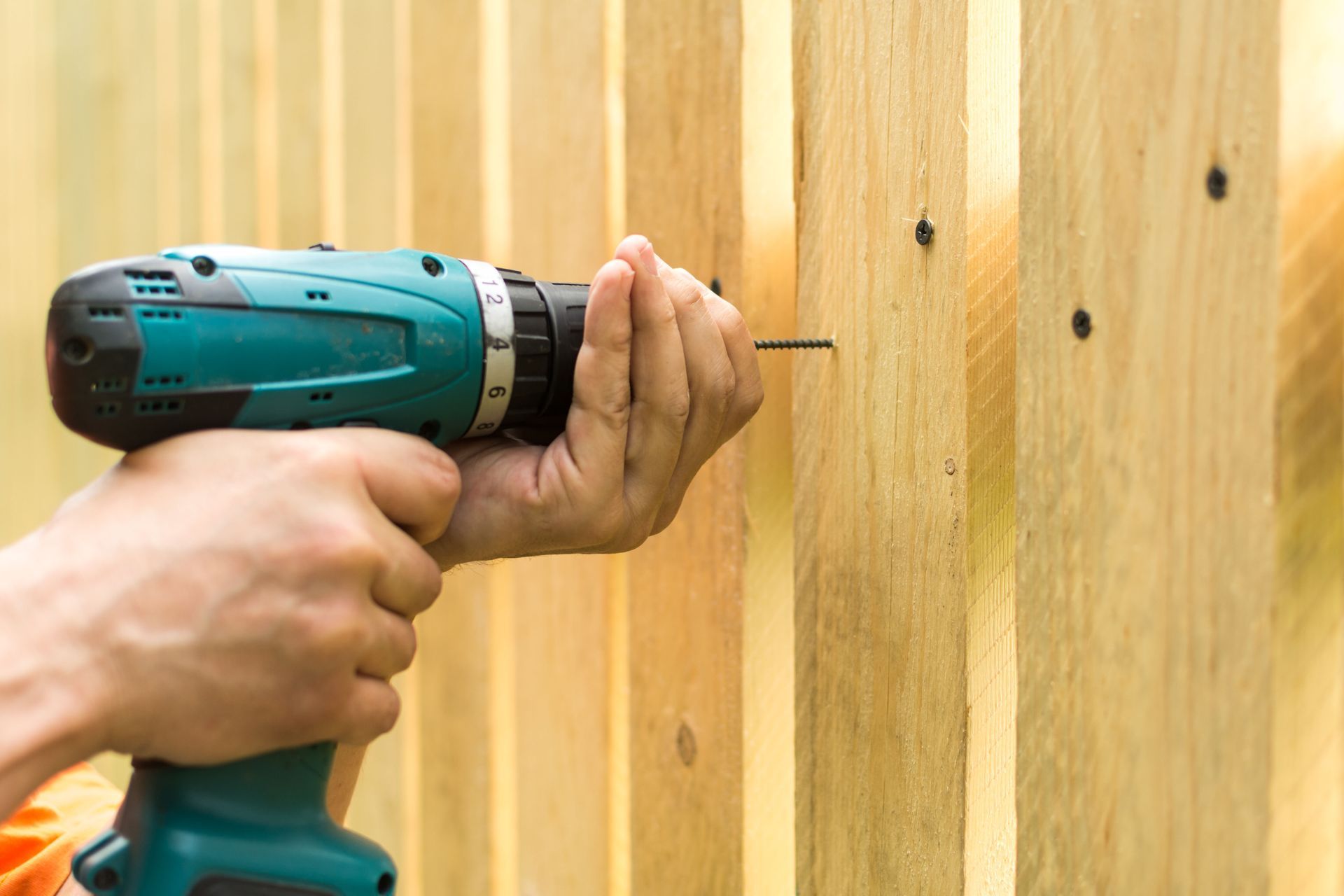
Projecting the long-term cost of a perimeter installation requires evaluating material longevity, climate exposure, and repair frequency. Choosing higher-grade, rot-resistant lumber increases upfront costs but significantly reduces repair expenses over a twenty-year lifecycle. High-quality fasteners, such as stainless steel or hot-dipped galvanized screws, prevent unsightly rust streaks and structural loosening. Investing in premium materials at the start delivers superior long-term financial value.
Whether you prefer the traditional, complete seclusion of overlapping vertical planks or the sleek, contemporary lines of a modern horizontal layout, choosing the right style depends on your specific lifestyle needs and architectural goals. Investing in expert installation and high-quality materials ensures your new perimeter barrier will stand strong against the elements for years to come. To install a durable, beautiful, and high-value perimeter barrier for your home, contact Alabamas Fencing.