November 3, 2026
Weather conditions are an important consideration when choosing a pool enclosure in Alabama. Heat, humidity, rainfall, and exposure to sunlight can affect fencing materials over time. A suitable material should fit the property's environment while offering a practical balance of appearance, upkeep, and long-term performance.
Aluminum fences are often considered for outdoor applications because the material resists rust and generally requires less maintenance than untreated or frequently repainted iron-based fencing. This characteristic can be useful in humid environments where moisture exposure may contribute to corrosion in susceptible metals. However, the quality of the finish, the type of hardware, and the installation method can influence how well a fence performs over time.
Homeowners should also consider the ground surrounding the pool. Soil conditions, drainage patterns, and changes in elevation can affect how fence posts are positioned and supported. A professional assessment can help determine the appropriate installation approach for the property and identify areas that may require additional attention.
Although aluminum is known for its corrosion resistance, it is not maintenance-free. Periodic inspections can help identify loose fasteners, damaged finishes, gate problems, or other issues that may affect the barrier's condition. Prompt attention to these concerns supports continued performance and helps keep the pool enclosure in suitable working order.
Maintaining Visibility Without Sacrificing Boundaries
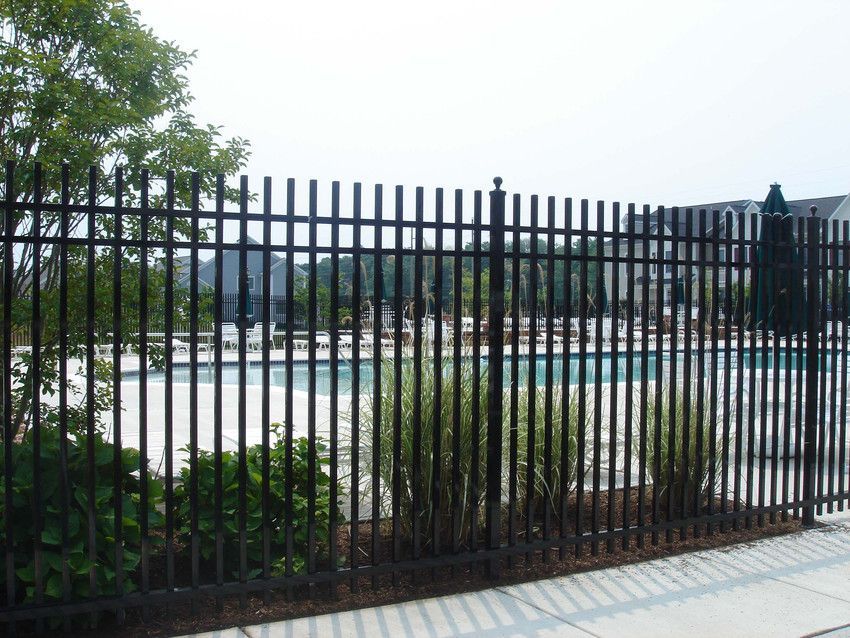
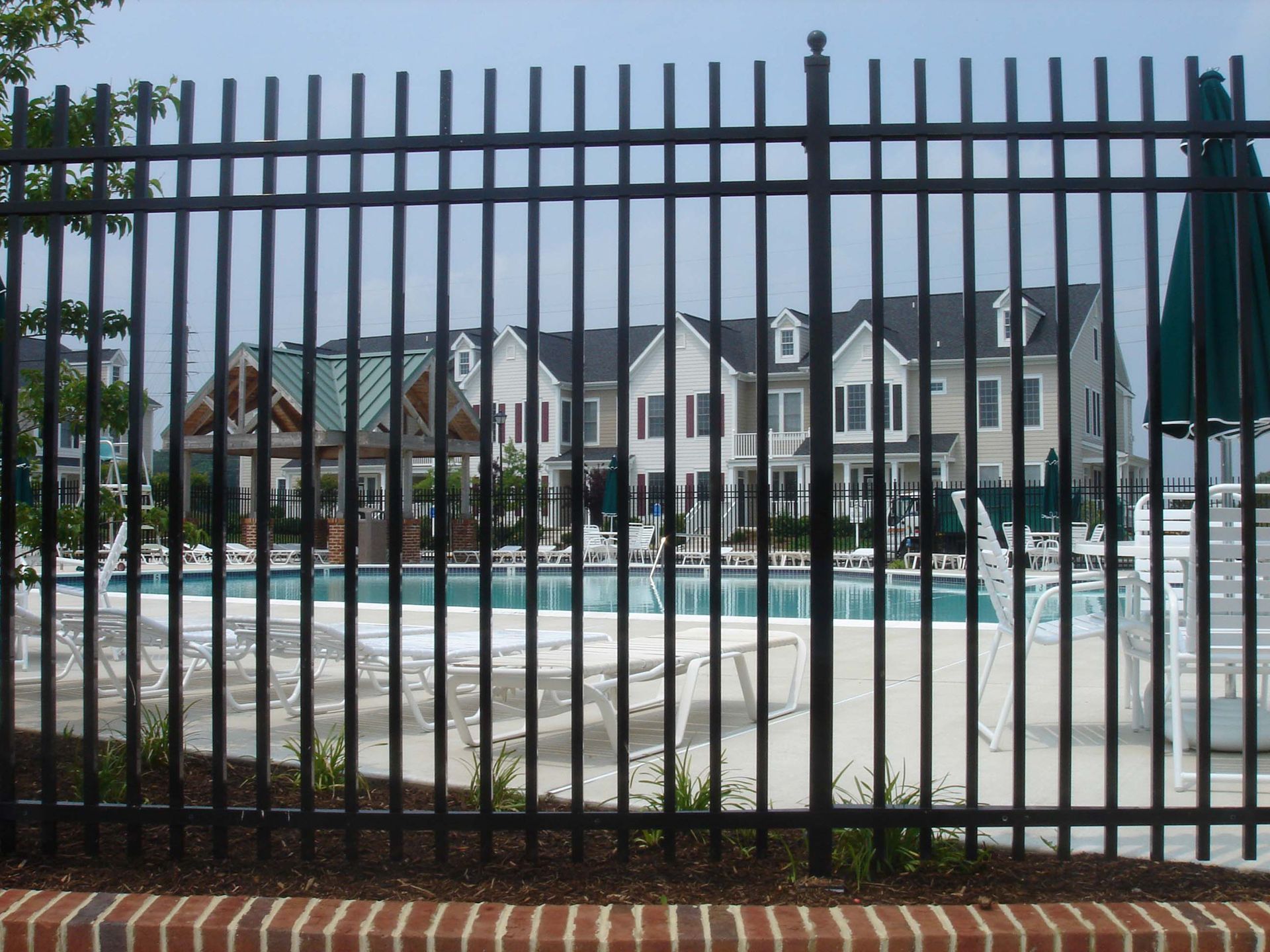
One reason homeowners consider aluminum fences for pools is their open design. Vertical pickets and spaced rails can create a defined enclosure without blocking every view of the surrounding yard. This can help preserve the visual connection between a patio, lawn, and pool area.
Visibility may also be a practical consideration for households that want to maintain sightlines across their outdoor space. An open fence design can make it easier to see through the barrier from certain positions, although it does not replace direct supervision of swimmers. Furniture placement, landscaping, lighting, and the layout of the pool area can all influence how visible the water is from different parts of the property.
The appearance of the fence matters as well. A simple design may complement contemporary homes, while ornamental details can suit more traditional architecture. Choosing a finish that coordinates with existing outdoor features can create a consistent look without making the enclosure dominate the yard.
Aluminum fences come in a range of styles, but appearance should not be the only deciding factor for a pool installation. Picket spacing, overall height, gate placement, and other design details must align with applicable safety requirements. Homeowners should evaluate these practical considerations alongside their preferred style to ensure the enclosure serves its intended purpose.
Coordinating Pool Fencing With Backyard Design
A pool enclosure should complement the rest of the backyard while meeting practical safety needs. Homeowners planning outdoor upgrades can consider how fencing will coordinate with patios, garden beds, walkways, and existing outdoor features. An open fence design can help preserve views across the property while creating a clear boundary around the pool.
Color, finish, and decorative details can influence how the enclosure complements the home's architectural style and surrounding landscape. Homeowners can consider how the fence will look alongside existing patios, walkways, garden beds, and other outdoor features. Selecting a design that works with these elements can help maintain a cohesive appearance throughout the yard. Before installation, a professional can assess the property's layout, access points, and applicable pool safety requirements.
This evaluation also helps identify practical considerations that may affect fence placement and gate locations. By addressing these details early, homeowners can plan an enclosure that complements their outdoor space while providing a defined boundary around the pool and supporting safer swimming conditions for family and guests.
Choosing Gates and Access Points Carefully
A pool barrier is only as effective as its access points and overall condition. Gates deserve particular attention because they are used frequently and may experience wear through repeated opening and closing. Their placement should support convenient movement around the property while maintaining the required separation between the pool and surrounding areas.
Depending on local regulations, pool gates may need to close automatically and use self-latching mechanisms. Requirements can vary, so homeowners should verify the rules that apply to their property before selecting a gate or finalizing an installation. A design that looks suitable may still require adjustments to meet the relevant standards.
Aluminum fences can be configured with gates that coordinate with the surrounding panels, helping maintain a consistent appearance. However, the gate hardware, latch position, swing direction, and surrounding grade should receive careful consideration during planning. A gate that does not operate correctly can undermine the intended function of the barrier.
Regular inspections are also important after installation. Homeowners should watch for gates that fail to close properly, latches that no longer engage securely, or components that have become loose or damaged. Addressing these concerns promptly helps maintain the enclosure's function throughout the swimming season.
Planning Installation Around Outdoor Living Needs
Pool fencing is often part of a larger backyard project. Homeowners may also be considering patios, landscaping, outdoor kitchens, seating areas, or other improvements. Coordinating these features can help create a functional outdoor space while accounting for pool access and safety from the beginning.
The placement of aluminum fences should reflect the pool's layout, the location of nearby structures, and the routes people use to move around the yard. Existing retaining walls, sloped ground, utility locations, and landscaping may also affect the installation plan. Reviewing these conditions before work begins can help reduce unexpected adjustments.
Timing can make a difference, particularly when homeowners want their pool area ready for warmer weather. Planning ahead gives property owners more opportunity to discuss design preferences, review applicable requirements, and coordinate fencing with other scheduled improvements. Waiting until the start of peak swimming season may limit flexibility if several outdoor projects need to be completed together.
Professional installation can help address site-specific challenges and ensure that the fence is planned with appropriate attention to stability, alignment, and access. It also gives homeowners a point of contact for discussing material options and the practical considerations associated with their property.
Preparing for a Safer Swimming Season
As homeowners plan backyard improvements for 2026, pool barriers remain an important part of creating a safer outdoor environment. Aluminum fences offer corrosion resistance, design flexibility, and relatively low maintenance, making them a practical option for many residential pool areas. Their open design can establish a clear boundary while preserving views across the yard and complementing different architectural styles.
According to Intel Market Research, the global aluminum fencing market was projected to grow at a compound annual growth rate (CAGR) of approximately 5.8% from 2023 to 2028.
However, the right fencing solution depends on each property's specific needs. Local building codes, ground conditions, gate requirements, and household safety considerations should guide the selection and installation process. Homeowners should also evaluate how the fence will work with existing landscaping, patios, and pool access points.
Although a properly designed barrier can help limit unsupervised access to the water, it does not replace attentive supervision or other recommended pool safety measures. Careful planning and professional installation can help homeowners choose an enclosure that balances safety, durability, and visual appeal throughout the swimming season.
With careful planning, a pool enclosure can improve safety while complementing the backyard's appearance and functionality. Choosing the right fencing material, layout, and gate design helps homeowners create a defined pool area that suits their property and outdoor living needs. Aluminum fencing offers durability, corrosion resistance, and an open design that can work well in Alabama's climate.
Professional installation helps ensure the enclosure accounts for site conditions and applicable safety requirements. Alabama's Fencing helps homeowners explore fencing options tailored to their properties. Contact Alabama's Fencing today to discuss your pool fencing needs and plan an enclosure that complements your outdoor space.